Your book was supposed to build authority. It can build the business behind it too.

You wrote it to build credibility and open doors. Then it sells or it does not, and either way you never learn who bought it. If you also sell a service or a programme, you already know what a lead costs you, and that money does not come back.

You do not have to choose. The book can keep building authority and still be the first paid step, where a buyer replaces a free lead and the revenue offsets what it cost to find them.

30 minutes. No deck, no pitch, no follow up sequence.

Your book A buyer, not a lead Name, email, what they bought and they already paid you once WHAT THEY BUY NEXT Your other books Your services or practice Your high ticket offer
The shift

The book becomes the front end of the business.

Most service professionals are taught the same model. Create content, run ads, offer something free, collect a lead, nurture, invite to a webinar or a consultation, then hope enough people eventually buy to justify what it cost to acquire everyone. That model works. Your book simply gives you another way into it.

01

Acquire a customer

Paid advertising, creators, and other traffic introduce the book to the people most likely to benefit from what you teach. Instead of asking every prospect for an email address first, you give them the chance to buy something valuable from you.

02

Let the book do the nurturing

Now they are not reading a few emails or half watching a webinar. They are sitting with your thinking, your methodology, your stories, your view of the problem they are already trying to solve. The book gives you enough time with a prospect to actually teach.

03

Continue the relationship

The transaction does not end at the book. You have a customer you can reach, educate further, and introduce to whatever comes next. A practice, consulting, coaching, a course, an event, a membership, another book, or nothing for now. The relationship is yours to continue.

Same prospect, different economics

Where the first transaction happens.

The book does not replace your funnel. It changes where money starts moving in it.

The traditional lead funnel

  1. Ad or content
  2. Free lead magnet
  3. Email address
  4. Nurture
  5. More nurture
  6. Consultation, webinar, or offer
  7. Hopefully, a customer

You pay to acquire the prospect first. Everything after that is responsible for eventually recovering the acquisition cost.

The book powered funnel

  1. Ad, content, or creator
  2. Your book
  3. Book buyer
  4. Education and trust
  5. Ongoing relationship
  6. Higher value offer when appropriate

There is a difference between someone who downloaded something from you and someone who paid to spend several hours learning from you.

Built correctly, revenue from book sales offsets some or all of what you spend to acquire new people. The journey no longer has to begin completely in the red.

The better way, assembled

One store at the center, fed and fulfilled.

Three moving parts, and the reason it works is that they are connected. Traffic arrives, readers buy from you, orders ship from our warehouse, and the customer data stays yours for the next launch, the next book, and the next event.

01

Your direct sales store

A Shopify store configured for selling books. It becomes the destination for every ad and affiliate, the source of your customer data, and the foundation of the channel.

02

Traffic that feeds it

Paid advertising on Meta and TikTok, plus affiliate and creator promotion. Tested continuously so the account never runs out of things to say.

03

Fulfillment in the background

We warehouse and ship your books. Orders flow from checkout to delivery without you touching them, so scaling the traffic does not break the shipping.

TRAFFIC IN Meta advertising TikTok Shop Creators and affiliates A store you own WHAT COMES OUT The order ships from our warehouse, untouched by you The buyer stays yours name, email, and what they bought That buyer comes back for your other books, your services, even your high ticket offer Nothing in this loop passes through a retailer, so nothing in it is anonymous to you.
Side by side

The same reader. Two different paths.

Both paths sell a copy. The first four steps are almost identical. Only one of them ends with something you can use again, and that single difference is what separates a run of good months from a business.

The retail pathENDS AT THE SALE01A reader hearsabout the book02The retailer'slisting03The retailer takesthe payment04The retailer shipsthe book05You get aroyalty lineDEAD ENDThe direct pathENDS WITH A BUYER YOU KEEP01An ad ora creator02A storeyou own03You takethe payment04We ship fromour warehouse05You keep the buyerand the dataThat buyer feeds the next launch, the next book, the next event, even your high ticket
The retail pathENDS AT THE SALE01A reader hearsabout the book02The retailer'slisting03The retailer takesthe payment04The retailer shipsthe book05You get aroyalty lineDEAD ENDThe direct pathENDS WITH A BUYER YOU KEEP01An ad ora creator02A storeyou own03You takethe payment04We ship fromour warehouse05You keep the buyerand the dataThat buyer feeds the next launch,the next book, the next event,even your high ticket
Worth saying plainly

This is not about turning your book into a sales pitch.

Your reader should not finish chapter three wondering when the sales presentation ends. The book should still be the book. It should educate, help, challenge, establish your authority, and stand on its own as something worth buying.

We change what happens around the book, not what happens inside it. We build the infrastructure that lets it sell directly, bring customers into your ecosystem, and continue the relationship after they finish reading.

So when a reader discovers the larger way you can help them, they are not meeting you for the first time. They have already spent several hours with you.

Where authors start

Nobody arrives at this from the same place.

Not genre, not job title. What has already been built is what changes the work. Four situations cover most of the authors we take on.

Already published

The book is out and doing its job, quietly

You launched it. You use it at events. You send people to Amazon. You hand copies to prospects. It establishes authority well enough, but there is no system behind it producing customers with any consistency.

We build the direct channel around what already exists.
Built, but not connected

The business works. The book is barely part of it.

You already have clients, patients, students, or customers. You already run marketing. You may already spend thousands a month acquiring leads. The book sits beside that machine instead of becoming part of it, while the lead generation runs on spend that never comes back.

We connect the book to the customer acquisition system you already have.
Someone else owns the transaction

The book sells, but not to anyone you can reach

Amazon, bookstores, or your publisher are already moving copies. That is good and we do not need to stop it. The problem is that when someone buys there, you rarely learn who they are and you have almost no way to continue the relationship.

We add a direct channel alongside retail so you build your own customer base too.
Not out yet

The book has not published yet

This may be the best time to build. Instead of launching first and working out what happens afterwards, the direct infrastructure goes in before attention arrives. Launch demand comes once and then goes quiet.

Now that demand has somewhere to land that you control.
If a publisher is involved

This is an addition, not a replacement.

AmazonBookstoresLibrariesAudio and ebook The store you own where the ads point NO ADS POINTED ANYWHERE ELSE

The halo effect. Spend goes to one place. The sales land in several.

Nothing here is anti Amazon, anti bookstore, or an argument for leaving a publishing deal. Keep the publisher, the listings, and every account already selling copies. All of it keeps working exactly as it does now.

We install one more channel beside them. What most authors do not expect is that the direct channel makes the other channels sell more, because every ad putting the book in front of a new reader also sends some of them straight to the retailer they already have an account with.

About 30%
of total sales across our author accounts come through retail, with no advertising pointed at it
Those accounts run paid traffic to their own store and nothing else. Retail still picks up roughly a third of the volume as a byproduct, and when an account goes dark on advertising, most of that volume goes with it.

So the retail plan stays untouched, and the direct channel runs beside it. You get the volume in both places and you keep the customer in one of them.

On the bestseller lists: most direct sales do not report to them, and that is a real tradeoff. It is also a timing question rather than a choice. Retail runs the launch window. Direct runs alongside it and keeps running long after, and the list built along the way is the reason the next book opens bigger than this one.

Every launch generates demand once. The only question is who keeps the people it produced.

The scope

Infrastructure, traffic, and fulfillment.

You do not need another strategy telling you to sell more books. You need the pieces that make the strategy operational. This is deliberately not a full service marketing agency, and the line matters more than the list.

What we handle

  • Shopify store setup and optimizationBuilt for selling books direct, and the destination for every ad and affiliate.
  • Paid advertisingAccount and tracking setup, creative and copy, testing, campaign management, weekly reporting.
  • TikTok Shop and affiliatesShop integration, creator outreach, affiliate recruitment and management.
  • Automated email flowsCheckout and post purchase. The flows that recover carts and produce the second order.
  • Warehousing and fulfillmentOur own warehouse. Orders flow from checkout to delivery untouched.

What we do not

  • Content creationYour voice, your posts. We are not producing your organic content.
  • Social media managementWe do not run your accounts.
  • Full email marketing programsAutomated flows yes, an ongoing campaign calendar no.
  • Team training or internal operationsWe are not trying to become the marketing department for your whole business. We run the channel, not the company.
The author is responsible for the business page, ad account, TikTok Shop, and any required legal or tax documentation. Once access is provided, we handle the rest. Ad spend, affiliate commissions, and creator compensation are funded by the author and sit outside management fees.
Authors we have helped

Books running on this model.

Every one of these sells directly to readers from a store the author owns, fed by paid traffic and creators, shipped from our warehouse. Retail kept doing what retail does alongside it.

The Tears That Taught Me by Morgan Richard Olivier
The Tears That Taught Me
Morgan Richard Olivier
Poetry and devotional
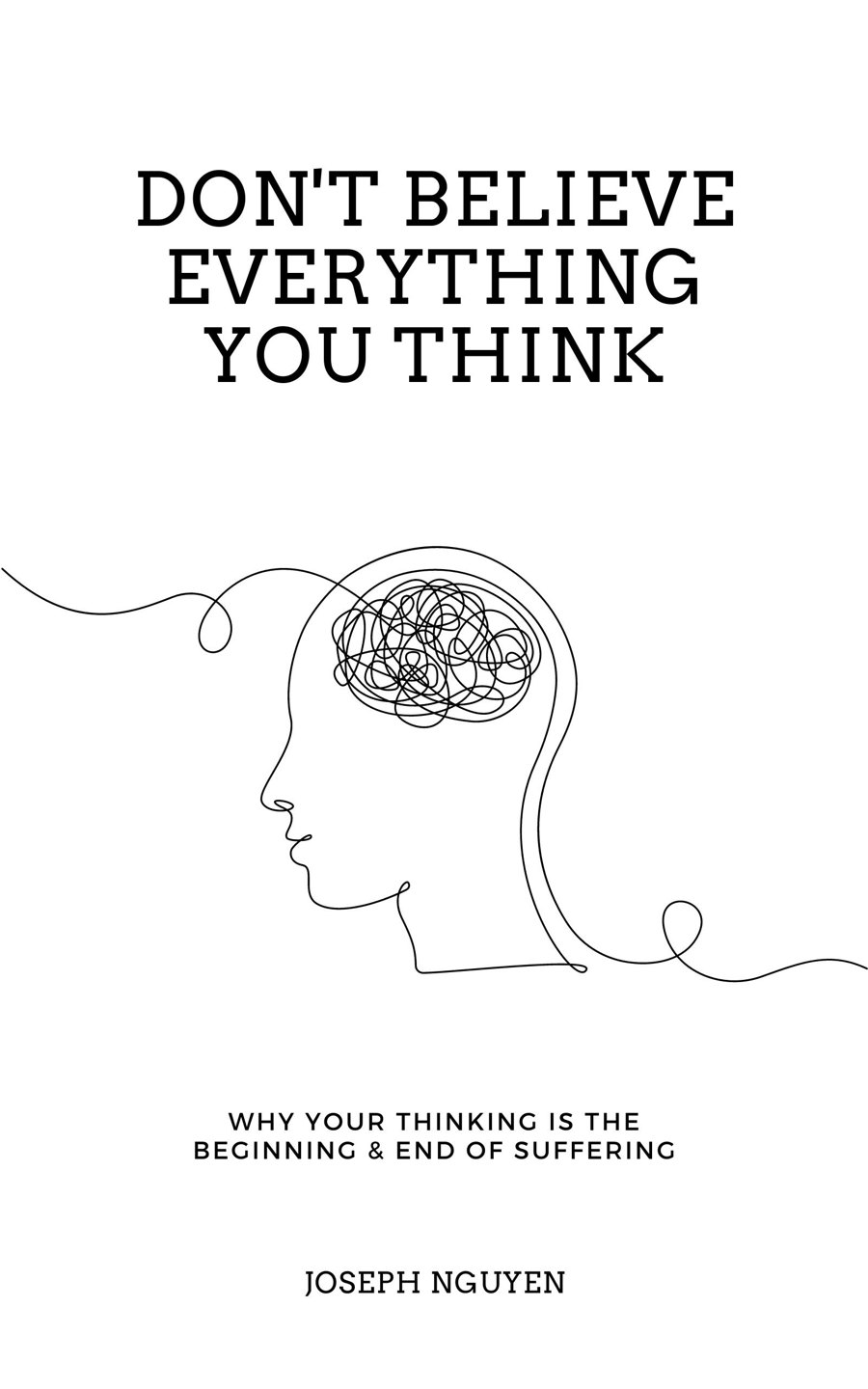
Don't Believe Everything You Think by Joseph Nguyen
Don't Believe Everything You Think
Joseph Nguyen
Self help and anxiety
I Would, But My Damn Mind Won't Let Me! by Jacqui Letran
I Would, But My Damn Mind Won't Let Me!
Jacqui Letran, MSN
Teen self help and anxiety
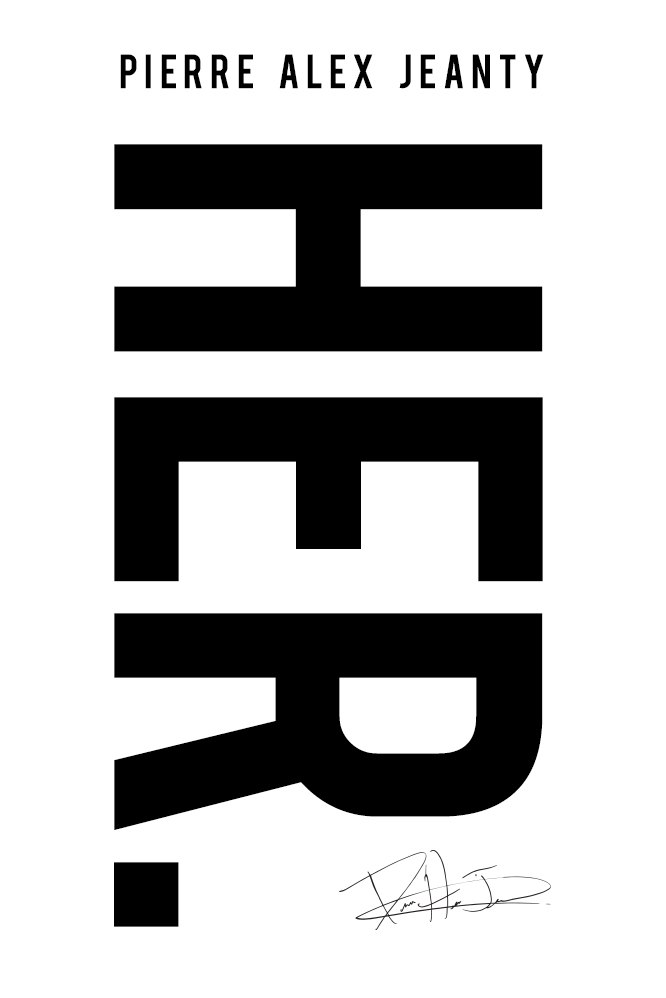
HER by Pierre Alex Jeanty
HER
Pierre Alex Jeanty
Poetry
Real businesses built behind books

What stops being a one time launch.

The biggest change is not selling more copies. It is what starts accumulating behind those sales. Customers, emails, purchase history, repeat buyers, audience. People you can reach when the next book launches, invite to an event, point toward another resource, and when it makes sense, invite deeper into your business.

So watch the buyer email line rather than the revenue line. Year two is larger than year one because the buyers from year one were still reachable. That is the asset that keeps working after the first sale is over.

Poetry and devotional
Year one
Books sold
21,592
Revenue generated
$305K
Email list, buyers
7K+
Audience growth
500K+
Year two
Books sold
83,882
Revenue generated
$1.19M
Email list, buyers
37K+
Audience growth
450K+
Self help and anxiety
Year one
Books sold
70K+
Email list, buyers
14K+
Amazon rank
Top 37
Year two
Books sold
200K+
Revenue generated
$3M+
Email list, buyers
100K+

Results shown are based on actual historical client and account data and are not guarantees of future financial results. Individual performance varies based on the book, the offer, the audience, the economics, the advertising, the execution, and other factors. Jeanty Digital does not, and cannot, provide financial projection advice. All information here is provided in good faith for general information purposes only, and we do not guarantee, either expressly or by implication, any financial results, sales, or success of any services or products presented by Jeanty Digital or other Pierre Jeanty companies.

Model this for your book Put in your prices and your costs and the model shows what a month would return, what it would net, and how many buyer emails it would leave you holding. No email required to use it.
Before booking

The first call is about whether the model fits.

You talk first. What the book is doing now, how the larger business makes money, how you acquire customers today, and what you have already tried. Then we look at where the book could realistically fit. Sometimes the answer is direct sales. Sometimes the economics do not work yet. Sometimes the page, the positioning, or the offer needs work before another dollar goes into advertising.

  1. You talk first, for about ten minutesWhere the book is, how the business behind it makes money, what you have tried. We will ask about numbers, so bring what you have.
  2. We say what we think is actually wrongOn the call, not in a proposal a week later. Sometimes the answer is that the book needs a better cover, not an ad budget.
  3. If we can help, we say how and what it costsPlainly. You will know the number before you hang up.
  4. If we are not the right fit, we say that tooAnd where possible we point you to whoever is. That happens more often than you would expect.
Worth knowing

What the call is not.

Most authors arrive here on someone's recommendation. This is what that buys you.

  • No slide deck
  • No second call to reveal the price
  • No pressure to decide on the spot
  • No automated follow up sequence afterward
  • No taking the account on if it will not work
Book the call
Next step

Let's see what your book could do for the business.

You already wrote it to help people understand what you know. Thirty minutes to find out whether it can also become a customer acquisition channel that educates, builds trust, and generates revenue while it does.

If the scheduler does not load, book here instead